

LEAN SIX SIGMA SPOTLIGHT 2025.Q4
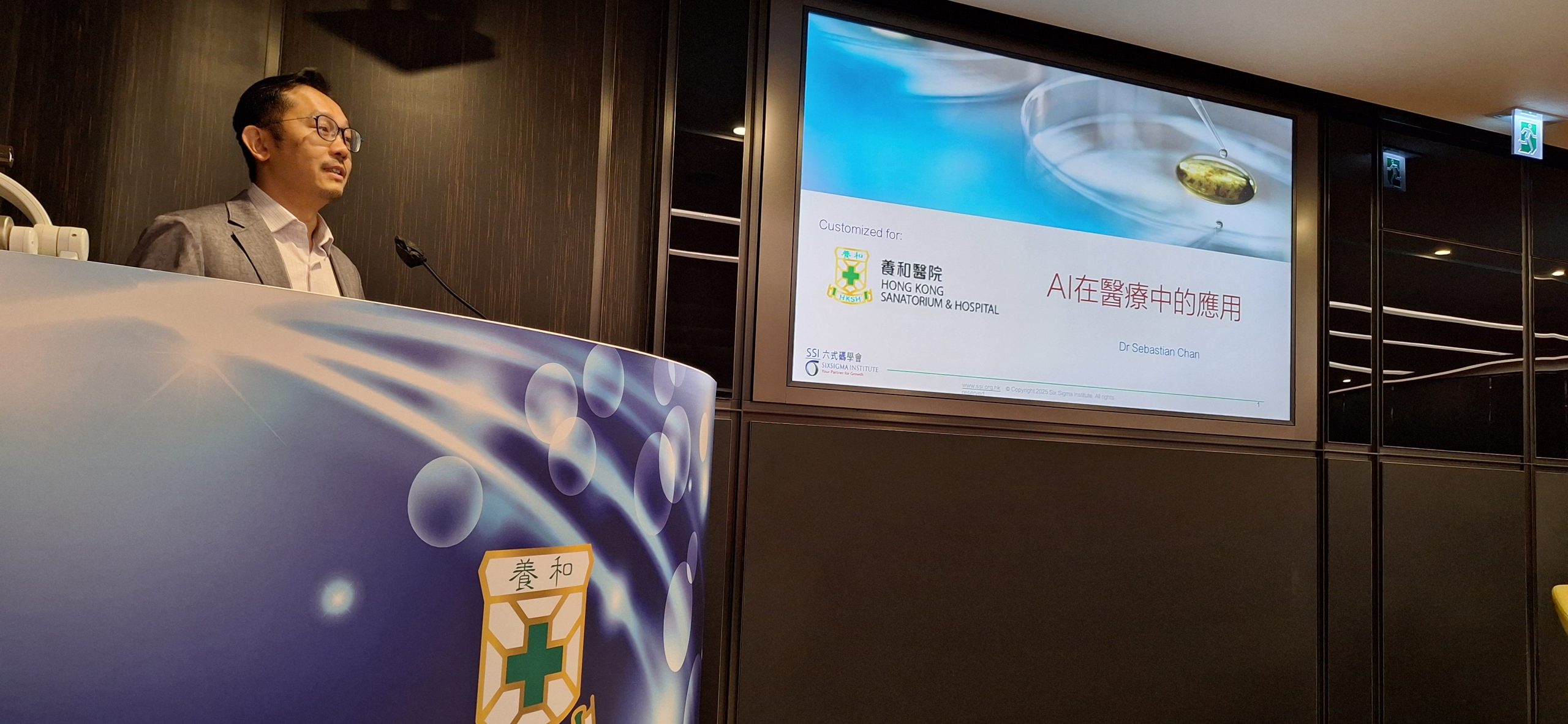
陳博士為私家醫院主持「人工智能在醫療中的應用」研討會
我們欣然宣佈,六式碼學會總經理陳耀榮博士近日為一所知名私家醫院主持了題為「人工智能在醫療中的應用 – 提高醫院的創新和效率」的研討會,聚焦如何借助人工智能提升醫療創新與運營效率。陳博士結合其在精益管理、六式碼及限制理論的豐富經驗,深入闡釋了AI技術與現代醫療管理的融合應用。陳博士擁有18年以上的管理顧問經驗,並曾於牛津大學進行博士後研究,其領導的改進項目曾獲中國質量協會精益管理一等獎及全國質量創新大獎。至今,他已協助超過30家醫院發掘隱藏效能並帶來顯著經濟效益。
研討會開始,陳博士詳細回顧了人工智能的發展歷程,從1950年代的符號邏輯系統,到如今正在顛覆醫療行業的生成式AI技術。他深入淺出地解釋了深度學習、機器學習和神經網絡等關鍵概念,並通過實際案例說明這些技術在醫療場景中的應用。例如,AI算法可分析醫學影像以檢測腫瘤、通過視網膜掃描識別糖尿病視網膜病變,並預測患者住院時間和死亡率等臨床結果。這些應用不僅提高了診斷準確性,還大幅縮短了分析時間,讓醫療專業人員能更專注於患者照護。
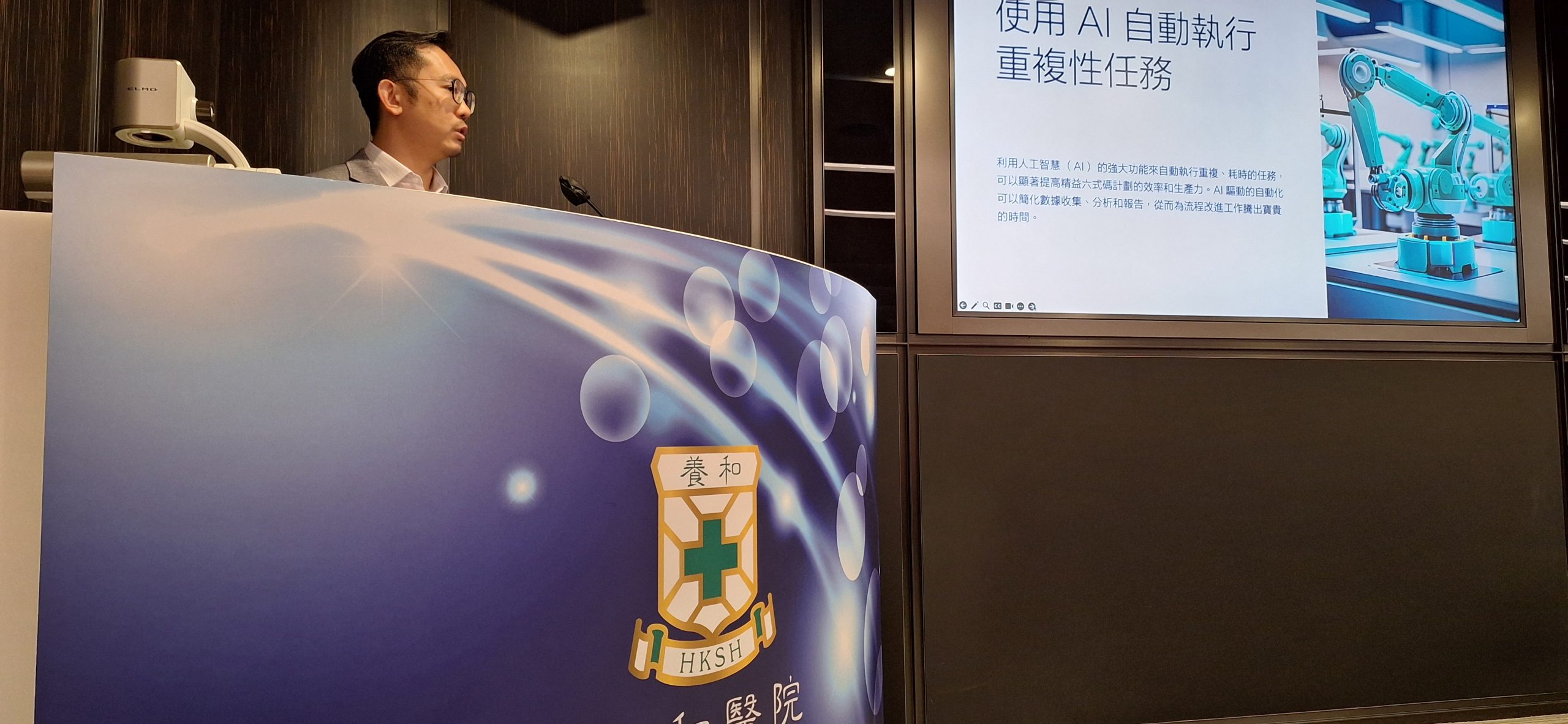
研討會的重點之一是探討AI與精益六式碼方法論的結合如何推動醫院的持續改進。陳博士強調,AI預測分析可協助識別流程瓶頸、縮短病人候診時間及優化資源配置——這些都是精益六式碼的核心目標。他分享了香港醫療機構的案例,如瑪麗醫院採用AI管理病人流程,大幅提升急診室效率;醫院管理局的AI模型每日處理2,000張胸部X光片(簡報第17頁),實現對肺炎及肺癌的早期診斷。陳博士還介紹了AI在手術中的應用,如養和醫院及香港中文大學醫院引進的da Vinci和Versius手術機械人系統。這些系統能以亞毫米精度進行微創手術,減少患者康復時間並改善治療效果。
研討會也深入探討了AI在醫療領域的倫理與監管問題。陳博士強調了AI應用中透明度、可靠性及公平性的重要性,並參考香港政府的《人工智能道德框架》,說明負責任使用AI的指導原則。他特別指出,處理敏感患者數據時需採取嚴格的保護措施,並提到行業協會(如香港醫學專科學院)在推動自律和標準制定方面的作用。例如,香港醫學專科學院通過建立AI門戶網站分享資源和培訓材料,幫助醫療專業人員掌握AI技術的最新發展。
展望未來,陳博士探討了生成式AI等新興趨勢在個人化治療方案和醫療培訓中的應用潛力。他提到莫拉維克悖論(Moravec’s Paradox),強調AI應作為增強而非取代人類專業知識的工具,並分析了AI在應對疾病預測和公共衛生策略優化等 broader 挑戰中的可能性。研討會以問答環節作最後的結尾,與會者就有關技術在自身機構的應用與陳博士進行了深入交流,並探討了與SSI未來合作的可能性。
陳博士的研討會為與會者提供了關於AI在醫療領域應用的全面且前瞻性的視角,展示了這些技術如何助力改善患者照護、提升運營效率及推動創新。SSI將持續支持醫療專業人員在數位化轉型中的旅程,提供整合AI與精益六式碼等成熟方法論的前沿培訓和顧問服務。我們衷心感謝陳博士的專業分享,以及所有與會者的積極參與。
Dr. Chan Leads Seminar on AI in Healthcare for Private Hospital
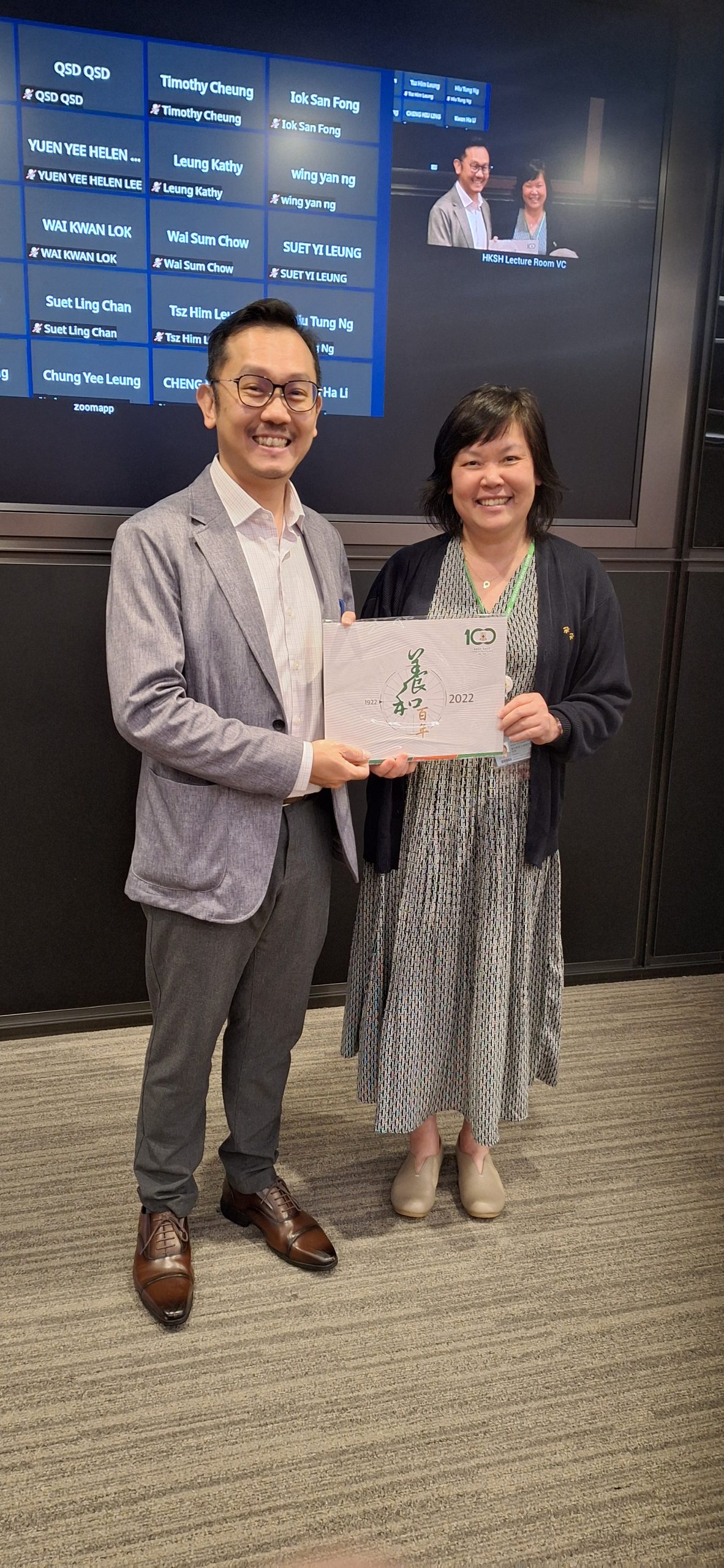
We are delighted to share that Dr. Sebastian Chan, General Manager of SSI, recently conducted a highly insightful seminar titled ” The application of AI in healthcare – enhancing innovation and efficiency in hospitals (AI在醫療中的應用- 提高醫院的創新和效率)” for a leading private hospital. The seminar focused on leveraging artificial intelligence to enhance innovation and operational efficiency in healthcare settings, drawing from Dr. Chan’s extensive experience in integrating Lean, Six Sigma, and Theory of Constraints methodologies with cutting-edge AI technologies. With over 18 years of consulting experience and a postdoctoral research background from Oxford, Dr. Chan has been instrumental in helping more than 30 hospitals unlock hidden efficiencies and achieve significant economic benefits. His work has earned numerous accolades, including the China Quality Association’s Lean Management First Prize and the National Quality Innovation Award.
Dr. Chan began the seminar by providing a comprehensive overview of the history of artificial intelligence, tracing its evolution from the early symbolic logic systems of the 1950s to the modern generative AI technologies that are revolutionizing healthcare today. He explained key concepts such as deep learning, machine learning, and neural networks, using practical examples to illustrate how these technologies are being applied in medical settings. For instance, he discussed how AI algorithms can analyse medical images to detect tumours, identify diabetic retinopathy from retinal scans, and predict patient outcomes such as length of stay and mortality rates. These applications not only enhance diagnostic accuracy but also significantly reduce the time required for analysis, allowing healthcare professionals to focus on patient care.
A major focus of the seminar was on the integration of AI with Lean Six Sigma methodologies to drive continuous improvement in hospitals. Dr. Chan highlighted how AI-powered predictive analytics can identify process bottlenecks, reduce patient wait times, and optimize resource allocation—all core objectives of Lean Six Sigma. He shared case studies from Hong Kong institutions, such as the AI-assisted patient flow management system at Queen Mary Hospital, which has significantly improved emergency room efficiency. Another example was the AI model used by the Hospital Authority to process 2,000 chest X-rays daily with high accuracy, enabling early detection of conditions like pneumonia and lung cancer. Dr. Chan also discussed the use of AI in surgical settings, such as the da Vinci and Versius robotic systems, which have been adopted by hospitals like Hong Kong Sanatorium and Hospital and the Chinese University of Hong Kong Medical Centre. These systems allow for minimally invasive surgeries with sub-millimeter precision, reducing recovery times and improving patient outcomes.
The seminar also addressed the ethical and regulatory considerations associated with AI in healthcare. Dr. Chan emphasized the importance of transparency, reliability, and fairness in AI applications, referencing Hong Kong’s Ethical AI Framework and its guidelines for the responsible use of AI. He discussed the need for robust data protection measures, especially when handling sensitive patient information, and highlighted the role of industry associations in promoting self-regulation and standard-setting. For example, the Hong Kong Academy of Medicine has established an AI portal to share resources and training materials, helping healthcare professionals stay informed about the latest developments in AI technology.
Looking to the future, Dr. Chan explored emerging trends such as generative AI and its potential applications in personalized treatment planning and medical training. He discussed the Moravec’s Paradox, which highlights the contrast between the capabilities of humans and AI, and emphasized that AI should be viewed as a tool to augment rather than replace human expertise. He also touched on the potential for AI to address broader healthcare challenges, such as predicting disease outbreaks and optimizing public health strategies. The seminar concluded with a Q&A session, where attendees had the opportunity to discuss specific applications of AI in their own institutions and explore potential collaborations with SSI.
Dr. Chan’s seminar provided a comprehensive and forward-looking perspective on the role of AI in healthcare, demonstrating how these technologies can be harnessed to improve patient care, enhance operational efficiency, and drive innovation. SSI remains committed to supporting healthcare professionals in their journey toward digital transformation, offering cutting-edge training and consultancy services that integrate AI with proven methodologies like Lean Six Sigma. We extend our heartfelt thanks to Dr. Chan for sharing his expertise and to all attendees for their enthusiastic participation.
