
LEAN SIX SIGMA SPOTLIGHT 2026.1
卓越營運與永續發展的融合
講座總覽
在本月的網上講座中,專家深入探討了卓越營運(Operational Exllence)與永續發展(ESG)之間的潛在聯繫,並介紹了TOCLSS統一框架如何有效支持TCFD氣候績效報告。從持續改進的視角切入,講座引導參與者理解如何將這些方法論結合,以應對當前的市場需求與環境挑戰。
講座首先介紹了卓越營運和ESG之間的共同點,強調持續改善在企業運營中的核心地位。隨著香港交易所(HKEX)對ESG標準日益重視,企業不再將其視為道德責任,而是納入市場價值與風險評估的重要驅動因素。講師指出,OpEx的持續改善目標,與可測量的永續發展目標(如淨零排放)密切相關,故將ESG視為企業運營流程的一部分至關重要。
核心原則的對接
TOCLSS方法論以其對系統性改善的強調,與ESG框架形成了良好的對接。講師指出,制約理論(TOC)強調組織作為一個複雜系統,其性能受到少數制約因素的限制,這與ESG要求的整體視角相吻合,有助於有效識別環境負擔的轉移。
六式碼與數據治理
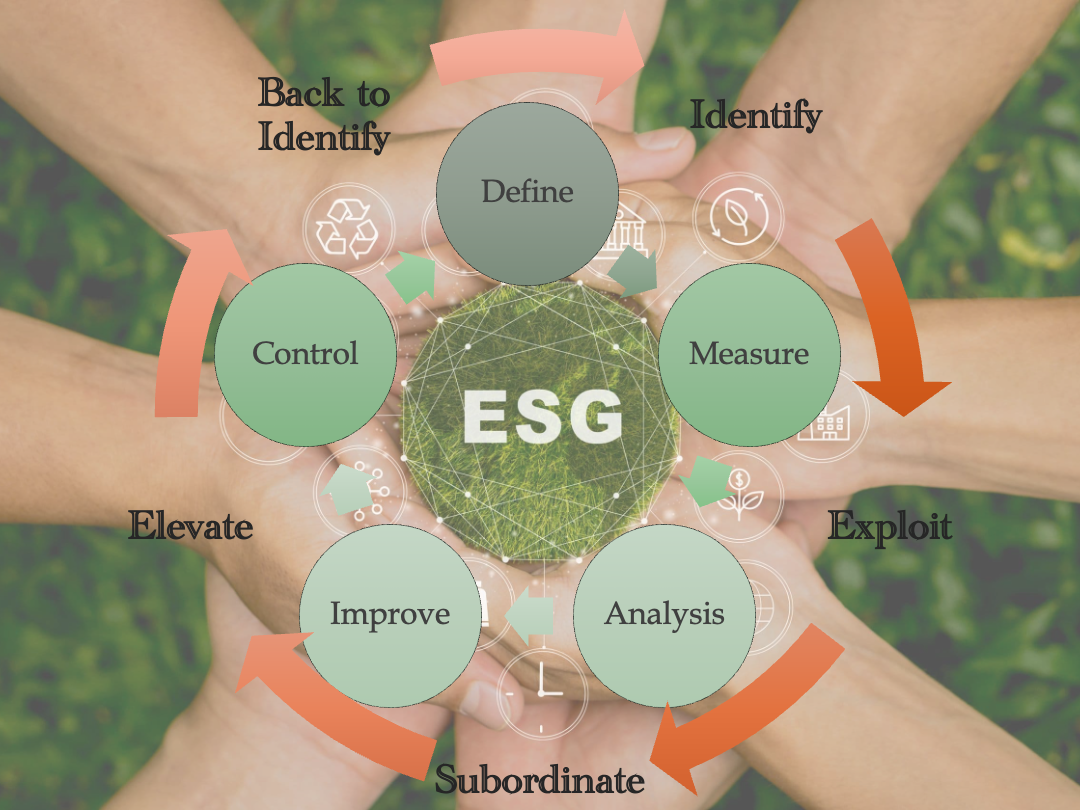
隨著氣候財務披露標準(如TCFD)的演進,確保ESG資料的可靠性和透明度成為企業的迫切需求。講座中提到,六式碼(Six Sigma)的數據驅動方法對於改善資料治理具有重要意義,尤其在提供高質量的氣候數據指標方面。講師透過DMAIC流程,詳細說明如何優化GHG核算流程,確保資料的準確性和一致性。
講師進一步指出,對於投資者而言,數據的可靠性與透明度直接影響企業的可持續發展。例如,準確的溫室氣體核算需根據標準化的數據收集程序進行,以保證基線的可靠性,並有效識別可能存在的變異風險。
精益管理的應用
精益管理不僅關注營運效率,還能夠有效推動環境績效提升。在講座中,專家介紹了環境價值流圖(E-VSM)的概念,這一方法能夠直觀地顯示出企業在生產過程中所產生的環境浪費,並指導企業制定針對性的改進措施。
制約理論的戰略優先排序
講座還強調了制約理論(TOC)在識別氣候瓶頸方面的應用,幫助企業找出最重要的制約因素,這對於制定有效的氣候行動策略至關重要。講師提出的五大聚焦步驟,幫助企業快速識別並解決影響淨零目標推進的瓶頸,進而提升整體系統的永續發展能力。
總結
本次講座提供了深入的見解,對於企業如何整合卓越營運與永續發展的戰略具有啟發性意義。通過運用TOCLSS框架,企業不僅能夠滿足市場和政策的要求,還能夠在新的經濟環境中獲得實際的競爭優勢。講師的專業評述與案例分享,鼓勵企業在追求卓越的過程中,持續探索和實現永續發展的目標。
The Integration of Operational Excellence and Sustainable Development
Overview of the Webinar
In this month’s online webinar, experts delved into the potential connections between Operational Excellence and Sustainable Development (ESG), introducing how the TOCLSS unified framework can effectively support TCFD climate performance reporting. The webinar guided participants to understand how to integrate these methodologies to address current market demands and environmental challenges.
The webinar began by outlining the commonalities between Operational Excellence and ESG, emphasizing the core role of continuous improvement in business operations. With the Hong Kong Stock Exchange (HKEX) increasingly prioritizing ESG standards, companies no longer view them as moral responsibilities but rather as vital drivers of market value and risk assessment. The speaker highlighted the alignment between OpEx’s continuous improvement goals and measurable sustainable development targets (such as net-zero emissions), making it crucial to consider ESG as an integral part of business operations.
Alignment of Core Principles
The TOCLSS methodology, with its emphasis on systematic improvement, aligns well with the ESG framework. The speaker noted that the Theory of Constraints (TOC) emphasizes viewing organizations as complex systems, where performance is limited by a few constraints, which resonates with the holistic perspective required by ESG, aiding in the effective identification of environmental burdens.
Six Sigma and Data Governance
As climate financial disclosure standards (e.g., TCFD) evolve, ensuring the reliability and transparency of ESG data has become an urgent need for companies. The webinar pointed out that Six Sigma’s data-driven approach is crucial for enhancing data governance, especially in providing high-quality climate data indicators. Through the DMAIC process, the speaker detailed how to optimize GHG accounting processes to ensure the accuracy and consistency of data.
The speaker further emphasized that for investors, the reliability and transparency of data directly impact a company’s sustainable development. For instance, accurate greenhouse gas accounting must follow standardized data collection procedures to ensure the reliability of the baseline and effectively identify potential sources of variation.
Applying Lean Management
Lean management not only focuses on operational efficiency but can also significantly enhance environmental performance. In the webinar, the expert introduced the concept of Environmental Value Stream Mapping (E-VSM), which can visually highlight the environmental waste generated in production processes and guide companies in formulating targeted improvement measures.
Strategic Prioritization through the Theory of Constraints
The webinar also emphasized the application of the Theory of Constraints (TOC) in identifying climate bottlenecks, assisting businesses in pinpointing the most critical constraints. This is essential for developing effective climate action strategies. The proposed Five Focusing Steps help companies quickly identify and address the bottlenecks hindering progress toward net-zero goals, thereby enhancing overall sustainability capabilities.
Conclusion
This webinar provided profound insights into how companies can integrate operational excellence with sustainable development strategies. By employing the TOCLSS framework, organizations can not only meet market and policy demands but also gain practical competitive advantages in the new economic environment. The expert’s professional commentary and case studies encouraged companies to explore and achieve sustainability objectives in their pursuit of excellence.