
Six Sigma + ESG: Chapter 3 — Social
六式碼與環境、社會及管治(ESG):第三章 – 社會
Six Sigma + ESG: Chapter 3 — Social
Following Chapter 2 on “Environmental”, this chapter focuses on “Social”. Many enterprises assume that their business has few material social issues and therefore underestimate the associated risks. In reality, social issues run through employment, occupational health and safety, human rights, supply chains, data privacy, community relations and product responsibility. Ignoring them can undermine long-term competitiveness, brand trust and the company’s ability to become a genuinely ESG-based enterprise. Hong Kong-listed companies must disclose Social KPIs under HKEX’s ESG Reporting Code on a “comply or explain” basis, covering employment, health and safety, development and training, labour standards, supply-chain management, anti-corruption and community investment. Unlike environmental topics, which enjoy well‑established carbon‑accounting tools and public climate debates, social risks are often latent, diffuse and embedded deep within internal workflows and global value chains. Without systematic measurement, root‑cause analysis and continuous improvement, social vulnerabilities will accumulate and threaten long‑term business viability.
Why “S” Is Often Overlooked?
Companies often treat ESG mainly as an environmental or governance matter because emissions and carbon data are easier to quantify. By contrast, social risks are frequently hidden in supplier factories, outsourced labour, recruitment agents, night-shift operations, customer data and community impacts. Six Sigma is valuable because it converts these “invisible social risks” into measurable, analysable and improvable process indicators, such as injury rates, overtime hours, grievance closure time, supplier audit non-conformities, training coverage and data-breach incidents.
From a DMAIC perspective, social issues should not be left solely to the compliance function. They should be embedded in process design, procurement, human resources, operations and customer-service control plans. If a company makes commitments only in its annual report without detection, prevention, correction and remediation mechanisms across its value chain, it will struggle to become a genuinely ESG-oriented enterprise.
Common corporate blind‑spots include:
1. Treating social requirements purely as disclosure obligations rather than operational risks;
2. Assuming social risks only apply to labour‑intensive manufacturing firms, ignoring service‑sector, office‑based and tertiary‑industry exposures;
3. Confusing corporate philanthropy and community donations with full social‑pillar performance;
4. Failing to extend due‑diligence scope beyond direct employees to suppliers, subcontractors and downstream partners across value chains;
5. Lack of consistent, auditable social‑performance KPIs, relying on narrative statements instead of measurable data;
6. Under‑estimating extraterritorial legal risks from overseas jurisdictions where Hong‑Kong companies trade, source or operate.
Core Elements of the Social Pillar
1. Employment and Labour Practices
This covers compensation, dismissal, recruitment & promotion, working hours, rest periods, equal opportunity, diversity, anti‑discrimination and staff welfare. Companies should ensure fair recruitment, reasonable working hours, timely wage payment, and the prohibition of forced labour and child labour, supported by effective labour-management communication and grievance mechanisms. In Hong Kong, key laws include the Employment Ordinance, the Minimum Wage Ordinance and common-law contractual duties. Breaches relating to wages, rest days, annual leave, termination and employment protection may lead to civil claims, criminal prosecution and labour disputes.
Including empoloyee development and training with Policies for upskilling, talent development, succession planning and inclusive training access. Poor training systems contribute to high turnover, low productivity and limited internal promotion opportunities, and labour standard and human-right safeguards focused on preventing child labour, forced labour, bonded labour and human‑trafficking risks within own operations and supply chains, aligned with ILO Conventions.
Six Sigma application: use “on-time wage payment rate”, “excessive-overtime cases”, “recruitment discrimination complaints” and “labour-dispute closure time” as Critical-to-Quality (CTQ) metrics, then apply root-cause analysis to identify systemic defects in scheduling, outsourcing or agency-recruitment processes.
2. Occupational Safety and Health
Occupational safety and health is the social issue most directly linked to employee lives and business continuity. Hong Kong’s Occupational Safety and Health Ordinance requires employers to ensure, so far as reasonably practicable, the safety and health of employees at work, while the Employees’ Compensation Ordinance imposes compensation liability for work-related injuries.
Companies should establish incident reporting, hazard inspection, risk assessment, safety training, emergency response and contractor safety-management systems. Six Sigma can incorporate “recordable injury rate”, “near misses”, “safety-training completion rate” and “overdue corrective actions” into control charts and improvement projects, shifting the organisation from passive compliance to proactive prevention.
3. Equal Opportunity, Diversity and Inclusion
Discrimination, harassment and the absence of an inclusive culture create talent loss, litigation risk and reputational damage. Hong Kong’s anti-discrimination framework includes the Sex Discrimination Ordinance (Cap. 480), Disability Discrimination Ordinance (Cap. 487), Family Status Discrimination Ordinance (Cap. 527) and Race Discrimination Ordinance (Cap. 602).
Companies should adopt anti-discrimination, anti-harassment and whistle-blower protection policies, and ensure objective criteria for recruitment, promotion, remuneration, training and dismissal. Six Sigma can examine systemic bias using data such as diversity in recruitment shortlists, pay-gap analysis, complaint-handling timelines and reasonable-accommodation cases.
4. Human Rights, Modern Slavery and Supply-Chain Due Diligence
This is the area most frequently underestimated by Hong Kong enterprises. Even if a company does not directly employ child or forced labour, it may still face customer loss, market-access restrictions, contract termination and reputational risk if exploitation exists among suppliers, subcontractors, raw-material providers or logistics partners. HKEX’s Social KPIs require issuers to disclose policies and compliance relating to the prevention of child and forced labour, as well as how supply-chain social risks are identified and monitored.
Six Sigma methods include supplier risk segmentation, mapping the supply chain to Tier 2 and Tier 3, Pareto analysis of audit non-conformities, DMAIC management of supplier-improvement projects, and Poka-Yoke controls for high-risk procurement categories, such as mandatory manual approval, origin documentation and labour-compliance evidence.
5. Customer Rights, Product Responsibility and Data Privacy
Social responsibility extends beyond employees to customers, consumers and data subjects. Companies must ensure product safety, truthful advertising, effective complaint handling and protection of personal data. Hong Kong’s Personal Data (Privacy) Ordinance (Cap. 486) regulates the collection, use, retention, security and disclosure of personal data; a data breach may trigger investigation by the Privacy Commissioner, legal liability and serious loss of customer trust.
Six Sigma can measure social performance through “customer complaint rate”, “first-contact resolution rate”, “product-recall cases”, “data-access-request processing time” and “data-security incidents”, while FMEA can assess the potential impact of process failures on customers and communities.
Key Hong Kong Legal and Regulatory Points
| Topic | Ordinance | Activities |
|---|---|---|
| Employment and labour | Employment Ordinance; Minimum Wage Ordinance | Fair contracts, wage controls, working-hour monitoring, grievance mechanism |
| Occupational safety | Occupational Safety and Health Ordinance; Employees’ Compensation Ordinance | Risk assessment, incident investigation, contractor safety management |
| Equal opportunity | Sex, Disability, Family Status and Race Discrimination Ordinances | Anti-discrimination policy, complaint channel, training and pay-equity review |
| Personal data | Personal Data (Privacy) Ordinance | Data inventory, access control, breach-response plan, privacy impact assessment |
| Supply-chain labour standards | HKEX ESG Reporting Code, “comply or explain” | Supplier code, risk mapping, audits, remediation and disclosure |
| Anti-corruption and ethics | Prevention of Bribery Ordinance; HKEX governance expectations | Gifts and hospitality controls, whistle-blowing, third-party due diligence |
Hong Kong does not currently impose a comprehensive statutory human-rights due-diligence duty across supply chains comparable to the EU regime. Nevertheless, listed companies must disclose social information under HKEX requirements, including labour standards, prevention of child and forced labour, supply-chain risk management and community investment. Hong Kong companies should therefore not use “not yet legally mandatory locally” as a reason to delay action; international customers, investors and export markets often impose stricter requirements.
Major Global Legislation with Potential Impact
EU: Corporate Sustainability Due Diligence Directive (CSDDD)
CSDDD requires qualifying EU and third-country companies to identify, prevent, mitigate, end and remediate adverse human-rights and environmental impacts across their own operations, subsidiaries and value chains. For non-EU companies, including some Hong Kong companies or their EU customers, with more than EUR 450 million net annual turnover in the EU, CSDDD due-diligence obligations can extend into Hong Kong supply chains through contracts, audits and supplier management.
EU: Forced Labour Regulation (EUFLR)
The EUFLR will prohibit placing on, supplying to, or exporting from the EU market products made wholly or partly with forced labour. It applies to all product categories and companies regardless of size, with application from 14 December 2027. For Hong Kong exporters, traders, manufacturers and logistics providers, this means being able to trace raw-material origins, production tiers, subcontracting arrangements and labour-compliance evidence.
EU: Corporate Sustainability Reporting Directive (CSRD) and ESRS
CSRD, based on the European Sustainability Reporting Standards (ESRS), requires more detailed social disclosures covering the undertaking’s own workforce (ESRS S1), workers in the value chain (S2), affected communities (S3) and consumers and end-users (S4). Although CSRD mainly applies to EU companies and certain non-EU companies, its data requirements can indirectly affect Hong Kong companies through multinational customers, banks, investors and supplier contracts.
UK and Australia: Modern Slavery Acts
The UK Modern Slavery Act 2015 requires qualifying businesses operating in the UK to publish modern slavery and human trafficking statements, while Australia’s Modern Slavery Act 2018 requires large companies to report modern-slavery risks and responses across their operations and supply chains. For Hong Kong companies with operations, customers or subsidiaries in the UK or Australia, these laws create direct obligations or indirect requirements through parent companies and customers.
United States: Uyghur Forced Labor Prevention Act (UFLPA)
UFLPA creates a rebuttable presumption that goods wholly or partly made with forced labour in the Xinjiang region are barred from entry into the United States unless importers provide clear and convincing evidence otherwise. For Hong Kong trading, manufacturing, electronics, apparel and logistics companies relying on the US market, supply-chain traceability has shifted from “best practice” to a condition of market access.
International Standards and Soft Law
Beyond legislation, companies should refer to the UN Guiding Principles on Business and Human Rights (UNGPs), ILO core conventions, the OECD Guidelines for Multinational Enterprises and ISO 45001 for occupational health and safety. Although not all are directly legally binding, they increasingly function as substantive requirements in customer contracts, financing conditions, investor due diligence and ESG ratings.
Implementation Framework: Six Sigma + Social
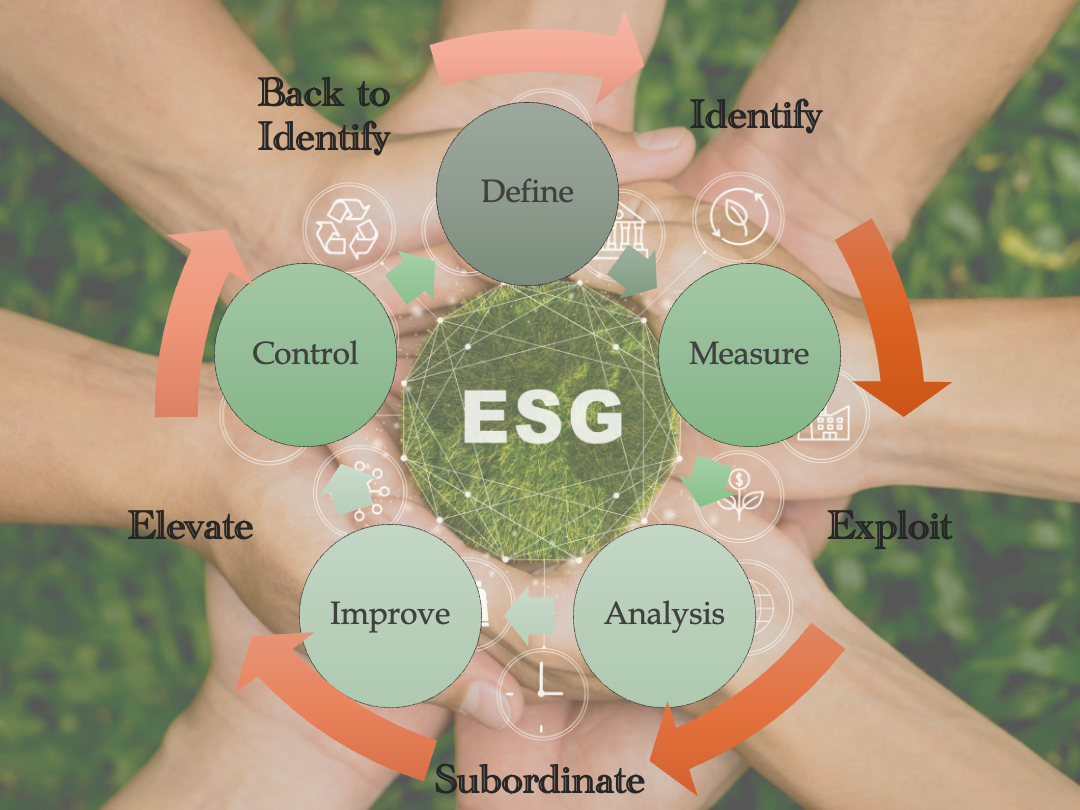
- Define: Identify the most material social risks to employees, suppliers, customers, communities and data subjects; set social CTQs such as “zero forced labour”, “zero serious injuries” and “100% annual audit coverage of high-risk suppliers”.
- Measure: Establish baseline data, including injury rates, overtime hours, on-time wage payment, complaints, supplier audit results, training coverage and data incidents.
- Analyse: Use fishbone diagrams, Pareto charts, correlation analysis and value-stream mapping to identify root causes, such as weak contractor oversight, procurement price pressure, poor shift design or uncontrolled data access.
- Improve: Implement supplier codes of conduct, audit and remediation plans, safety improvement projects, anti-discrimination training, anonymous grievance systems and data-security controls.
- Control: Embed social KPIs into management dashboards, internal audits, supplier contracts, procurement decisions and HKEX ESG reporting processes to sustain improvements.
Strategic Recommendations for Enterprises
- Treat “S” as risk management, not charity: Social issues directly affect legal liability, operational disruption, customer loss and cost of capital.
- Start internally, then extend to the value chain: Manage the company’s own employment, safety, equal-opportunity and data-privacy practices first, then extend the same standards to suppliers and subcontractors.
- Build an auditable evidence chain: Policies, training records, audit reports, grievance records, supplier declarations and remediation actions should be traceable and verifiable.
- Quantify social performance with Six Sigma: Social commitments without measurement are difficult to substantiate and difficult to improve continuously.
- Prepare early for overseas regulation: Hong Kong companies serving the EU, UK, Australia and US markets should complete supply-chain risk assessments and traceability systems before the EUFLR and CSDDD fully take effect in 2027.
“Social” may be the least visible pillar of ESG, but it is often the truest test of whether an enterprise genuinely practises ESG. Environmental performance can be improved through emissions reduction and energy management; social performance depends on whether a company respects people, protects safety, treats stakeholders fairly, and accepts responsibility for adverse impacts in its value chain. For Hong Kong enterprises, social issues are no longer merely about volunteering; they are central to compliance with local laws, international customer expectations, export-market rules and long-term sustainable development.
Six‑Sigma DMAIC can deliver value: applying Define‑Measure‑Analyse‑Improve‑Control to identify environmental gaps, quantify impacts and drive sustained environmental performance improvement.
Six Sigma Institute offers a wide range of ESG-related seminars and courses, please visit our website for more information.
六式碼與環境、社會及管治(ESG):
第三章 – 社會(Social)
承接第二章探討「環境(Environmental or “E”)」後,本章聚焦「社會(Social or “S”)」。許多企業誤以為自身業務「沒有重大社會議題」,因而低估其風險;事實上,社會議題貫穿僱傭、職安健、人權、供應鏈、數據私隱、社區關係與產品責任,若被忽略,將直接削弱企業的長期競爭力、品牌信任與 ESG 成熟度。香港上市公司須按 HKEX《環境、社會及管治報告守則》以「遵守或解釋」方式披露社會範疇的關鍵績效指標,包括僱傭、健康與安全、發展及培訓、勞工準則、供應鏈管理、反貪污及社區投資相對環境議題已有成熟的碳會計工具及公開的氣候討論,社會風險往往較為隱蔽、分散,並深埋於內部工作流程及全球價值鏈當中。如果沒有系統化的量度、根本原因分析及持續改善機制,社會層面的弱點會不斷累積,威脅企業的長遠生存與發展。
為何「社會 」常被忽略?
企業通常將 ESG 視為環境排放、碳足跡或管治架構的議題,因為這些項目較易量化;相比之下,社會風險往往隱藏於供應商工廠、外判勞工、招聘中介、夜班操作、客戶數據及社區影響之中。Six Sigma 的價值在於把這些「看不見的社會風險」轉化為可量度、可分析、可改善的流程指標,例如工傷率、加班時數、申訴結案時間、供應商審核不符合項、培訓覆蓋率及數據外洩事故數目。
從 DMAIC 角度看,社會議題不應只是合規部門的責任,而應納入流程設計、採購、人力資源、營運與客戶服務的控制計劃。若企業只在年報中作出承諾,而未在價值鏈中建立偵測、預防、糾正及補救機制,便難以成為真正的 ESG 導向企業。
企業常見的盲點包括:
1. 只把社會要求當成披露責任,而非營運風險;
2. 以為社會風險只適用於勞工密集的製造業,忽略服務業、辦公室行業及第三產業同樣面對相關風險;
3. 將企業慈善捐獻、社區贊助,等同完整的社會範疇表現;
4. 盡責查證的範圍只覆蓋直屬員工,沒有延伸至供應商、分包商以及價值鏈下游合作夥伴;
5. 欠缺一致、可審計的社會表現KPI,只依賴文字敘述,沒有數據支持;
6. 低估企業在海外國家經營、採購或銷售時,當地法例帶來的域外法律風險。
「社會(Social or “S”)」的核心要素
1. 僱傭與勞工實務
涵蓋薪酬、解僱、招聘及晉升、工時、休息時間、平等機會、反歧視及員工福利。企業應確保公平招聘、合理工時、準時支付工資、禁止強迫勞動及童工,並建立有效的勞資溝通與申訴機制。在香港,主要法律包括《僱傭條例》、《最低工資條例》及《僱傭合約》相關的普通法責任;違反工資、休息日、年假、終止僱傭及僱傭保障規定,可引致民事索償、刑事檢控及勞資糾紛。
員工發展及培訓包括技能提升、人才發展、繼任規劃,以及讓員工平等參與培訓的機制。不完善的培訓體系,會引致高流失率、生產力偏低,以及內部晉升渠道不足。勞工標準及人權保障、重點防止在自身營運及供應鏈當中出現童工、強迫勞動、債務勞動及人口販運,符合國際勞工組織公約。
六式碼應用示例:以「工資準時支付率」、「超時工作個案」、「招聘歧視投訴」及「勞資糾紛結案時間」作為 CTQ(Critical-to-Quality)指標,並透過根本原因分析識別排班、外判或代理招聘流程中的系統性缺陷。
2. 職業安全與健康
職安健是社會範疇中最直接影響員工生命與營運持續性的議題。香港《職業安全及健康條例》要求僱主在合理切實可行範圍內,確保僱員工作時的安全與健康;《僱員補償條例》則規定僱主須對工傷承擔補償責任。
企業應建立事故報告、隱患排查、風險評估、安全培訓、緊急應變及承包商安全管理系統。六式碼可將「可記錄工傷率」、「近失事故」、「安全培訓完成率」及「糾正行動逾期率」納入控制圖與改善項目,從被動合規轉為主動預防。
3. 平等機會、多元與共融
歧視、騷擾及缺乏共融文化會造成人才流失、訴訟風險與聲譽損害。香港的反歧視法律框架包括《性別歧視條例》、《殘疾歧視條例》、《家庭崗位歧視條例》及《種族歧視條例》。
企業應制定反歧視、反騷擾及舉報保護政策,並確保招聘、晉升、薪酬、培訓及解僱決定有客觀準則。六式碼可用「招聘短名單多元性」、「薪酬差距分析」、「投訴處理時限」及「復職/合理便利個案」等數據,檢視制度性偏見。
4. 人權、現代奴隸與供應鏈盡職審查
這是香港企業最容易低估的領域。即使公司本身沒有僱用童工或強迫勞動,若其供應商、分包商、原料供應商或物流合作夥伴存在剝削行為,企業仍可能面對客戶流失、市場准入限制、合約終止及聲譽風險。HKEX 的社會關鍵績效指標要求發行人披露防止童工及強迫勞動的政策與合規情況,並說明供應鏈社會風險的識別與監察方法。
六式碼方法包括:供應商風險分級、供應鏈映射至第二及第三層、審核不符合項的帕累托分析、供應商改善項目的 DMAIC 管理,以及對高風險採購類別設立防錯(Poka-Yoke)控制,例如強制人工審批、產地證明及勞工合規文件。
5. 客戶權益、產品責任與數據私隱
社會責任不止於內部員工,也包括客戶、消費者及數據主體。企業須確保產品安全、廣告真實、投訴處理有效,並保障個人資料。香港《個人資料(私隱)條例》(第486章)規管個人資料的收集、使用、保存、保安及披露;資料外洩不僅可能引致私隱專員調查及法律責任,也會嚴重損害客戶信任。
六式碼可用「客戶投訴率」、「投訴一次解決率」、「產品召回個案」、「資料存取請求處理時間」及「資料保安事故數目」衡量社會績效,並以 FMEA 評估流程失效對客戶與社區的潛在影響。
香港法律與監管重點
| 社會議題 | 香港主要法律/監管要求 | 企業行動 |
|---|---|---|
| 僱傭與勞工 | 《僱傭條例》;《最低工資條例》 | 公平合約、工資監控、工時監察、申訴機制 |
| 職業安全 | 《職業安全及健康條例》;《僱員補償條例》 | 風險評估、事故調查、承辦商安全管理 |
| 平等機會 | 《性別歧視條例》、《殘疾歧視條例》、《家庭崗位歧視條例》及《種族歧視條例》 | 反歧視政策、投訴渠道、培訓及薪酬平等檢討 |
| 個人資料 | 《個人資料(私隱)條例》 | 數據清單、存取控制、資料外洩應變計劃、私隱影響評估 |
| 供應鏈勞工標準 | 港交所(HKEX)《ESG報告守則》、「遵守或解釋」原則 | 供應商守則、風險排查、審核、補救措施及披露 |
| 反貪污與商業道德 | 《防止賄賂條例》;港交所企業管治期望 | 饋贈及款待監控、舉報機制、第三方盡職審查 |
香港目前沒有如歐盟般的全面供應鏈人權盡職審查法定責任,但上市公司仍須按 HKEX 要求披露勞工準則、童工及強迫勞動預防、供應鏈風險管理及社區投資等社會資料。 因此,香港企業不應以「本地法律未強制」作為延遲行動的理由;國際客戶、投資者及出口市場的規則,往往比本地要求更嚴格。
具潛在影響的全球重要法規
歐盟:企業可持續發展盡職審查指令(CSDDD)
CSDDD 要求符合規模門檻的歐盟及第三地國家企業,就其自身營運、附屬公司及價值鏈中的不良人權與環境影響進行識別、預防、緩解、終止及補救。對於在歐盟營業額超過 4.5 億歐元的非歐盟企業,包括部分香港企業或其歐盟客戶,CSDDD 的盡職審查要求可透過合約、審核及供應商管理延伸至香港供應鏈。
歐盟:強迫勞動產品禁令(EU Forced Labour Regulation)
EU: Forced Labour Regulation (EUFLR)
EUFLR 將禁止在歐盟市場投放、供應或出口全部或部分以強迫勞動製造的產品,適用於所有產品類別及企業規模,並計劃於 2027 年 12 月 14 日起適用。對香港出口商、貿易商、製造商及物流服務提供者而言,這意味著必須能夠追溯原料來源、生產層級、分包安排及勞工合規證據。
歐盟:企業可持續發展報告指令(CSRD)與 ESRS
CSRD 以歐洲可持續發展報告準則(ESRS)為基礎,要求企業披露更詳細的社會資料,包括自身勞動力(ESRS S1)、價值鏈勞工(S2)、受影響社區(S3)及消費者與終端用戶(S4)。雖然 CSRD 主要適用於歐盟企業及符合特定條件的非歐盟企業,但其資料要求會透過跨國客戶、銀行、投資者及供應商合約,間接影響香港企業。
英國及澳洲:現代奴隸法
英國《2015年現代奴隸法》要求符合營業額門檻、在英國經營業務的企業發布現代奴隸及人口販運聲明;澳洲《2018年現代奴隸法》亦要求大型企業報告其營運與供應鏈中的現代奴隸風險及應對措施。對在英國或澳洲有業務、客戶或附屬公司的香港企業而言,這些法規會直接或透過母公司/客戶要求產生合規責任。
美國:《維吾爾強迫勞動預防法》(UFLPA)
UFLPA 設定「可推翻的推定」,即凡全部或部分涉及新疆地區強迫勞動的貨物,均不得進入美國,除非進口商能提供清晰且令人信服的證據證明並非如此。對依賴美國市場的香港貿易、製造、電子、成衣及物流企業而言,供應鏈追溯能力已由「最佳實務」變成「市場准入條件」。
國際標準與軟法
除法律外,企業亦應參考《聯合國工商業與人權指導原則》(UNGPs)、ILO 核心公約、OECD《跨國企業準則》及 ISO 45001(職業健康與安全)等框架。這些標準雖非全部具有直接法律強制力,但日益成為客戶合約、融資條件、投資者盡職審查及 ESG 評級的實質要求。
六式碼與環境、社會及管治
- Define 定義:識別對員工、供應商、客戶、社區及數據主體最重要的社會風險,設定社會 CTQ,例如「零強迫勞動」、「重大工傷為零」及「100% 高風險供應商年度審核」。
- Measure 量度:建立基線數據,包括工傷率、加班時數、工資準時率、投訴數目、供應商審核結果、培訓覆蓋率及資料事故。
- Analyse 分析:以魚骨圖、柏拉圖、相關分析及流程價值流圖,找出社會風險的根本原因,例如外判監管不足、採購壓價、排班設計不當或數據權限失控。
- Improve 改善:推行供應商行為守則、審核與補救計劃、職安健改善項目、反歧視培訓、匿名申訴系統及資料保安控制。
- Control 控制:將社會 KPI 納入管理層儀表板、內部審核、供應商合約、採購決策及 HKEX ESG 報告流程,確保改善成果得以維持。
給企業的策略建議
- 將「S」視為風險管理,而非慈善活動:社會議題直接影響法律責任、營運中斷、客戶流失及資本成本。
- 由內而外、再延伸至價值鏈:先管理自身僱傭、職安健、平等機會及數據私隱,再將相同標準推展至供應商與分包商。
- 建立可審核的證據鏈:政策、培訓紀錄、審核報告、申訴處理紀錄、供應商聲明及補救行動,均應可追溯及可驗證。
- 以 Six Sigma 量化社會績效:沒有量度的社會承諾,難以證明其真實性,也難以持續改善。
- 提早應對海外法規:尤其面向歐盟、英國、澳洲及美國市場的香港企業,應在 2027 年 EUFLR 及 CSDDD 全面落地前完成供應鏈風險評估與追溯系統建設。
「社會」不是 ESG 中最容易被看見的一環,卻往往是最能檢驗企業是否真正實踐 ESG 的一環。環境績效可以透過減排與能源管理改善,但社會績效取決於企業是否尊重人、保障安全、公平對待持份者,並願意為價值鏈中的不良影響承擔責任。對香港企業而言,社會議題已不再是「有沒有做義工」的問題,而是能否符合本地法律、國際客戶要求、出口市場規則及長期可持續發展需要的核心課題。
六式碼DMAIC可以發揮作用的地方:透過界定、衡量、分析、改善、控制的邏輯,辨識環境缺口、量化環境影響,推動環境績效持續優化。
如欲了解更多 ESG 與營運卓越的整合應用,六式碼學院提供多元 ESG 相關講座及課程,歡迎瀏覽本院網站以獲取更多資料。